Board Service
A physician director who asks the pressure-testing question on quality, safety, AI, and strategy, then leaves operations to management.
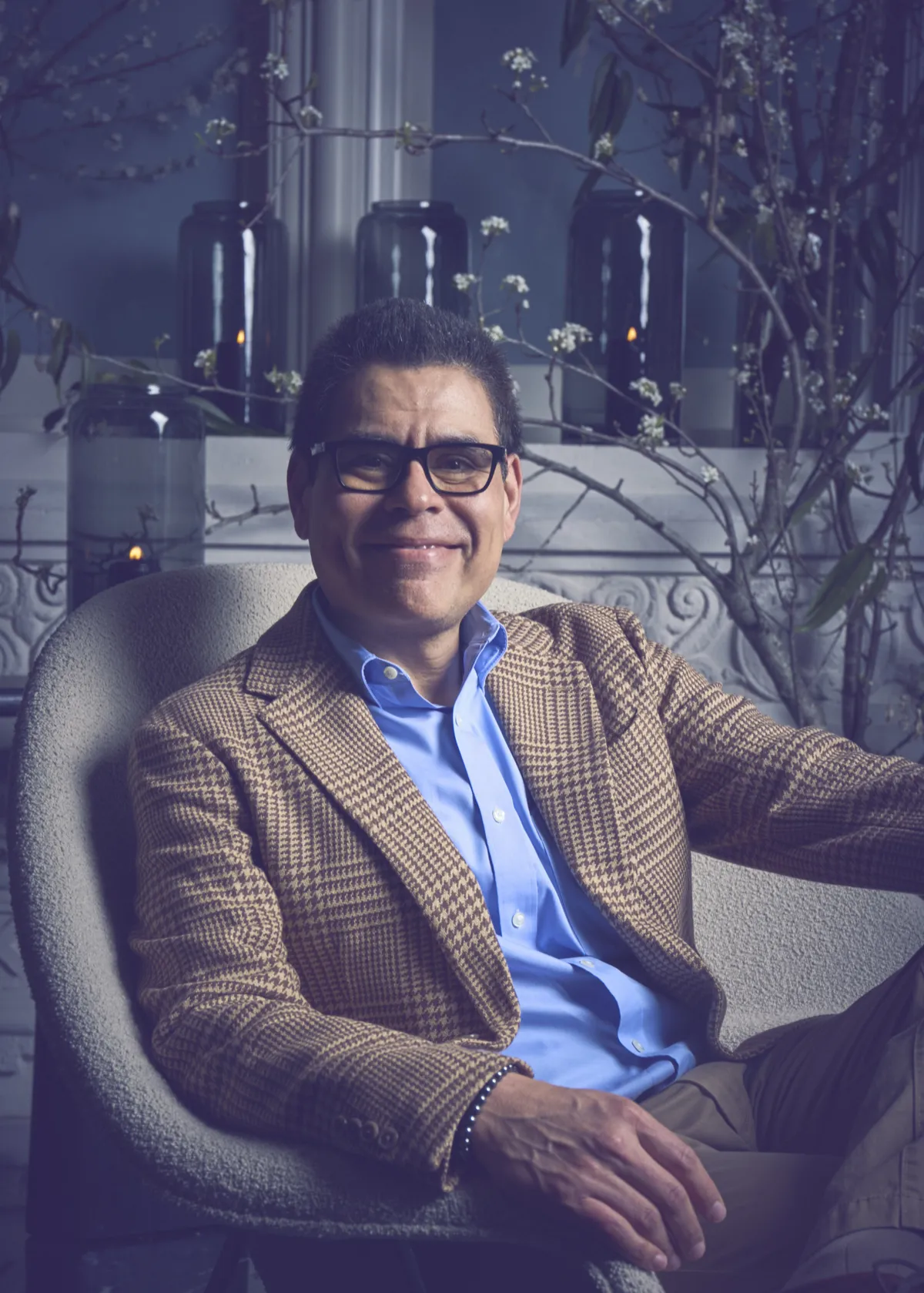
Board profilePhysician Executive · Board Director · Clinical AI
I bring the clinical front line into the boardroom: 14 years of hospital medicine leadership, health system trustee service, and hands-on experience moving clinical AI from a measured pilot to enterprise scale.
Where I create value
Every engagement starts with the same question: what does good look like, and how will we know we got there?
A physician director who asks the pressure-testing question on quality, safety, AI, and strategy, then leaves operations to management.
Board profilePart-time medical leadership with defined monthly hours: clinical strategy, physician engagement, quality, and multi-state compliance.
Engagement modelsStructured pilots with measures agreed before go-live, so AI decisions rest on evidence instead of demos.
The playbookClinical workflow and go-to-market input for AI and digital health companies, from a physician who has shaped products at Doximity and QuickBlox.
Advisory rolesThe pilot-to-enterprise playbook
When a large management company in emergency medicine and hospital medicine asked whether an ambient AI scribe could hold up on the wards, the goal wasn’t to prove the software worked. It was to find out what had to change around it.
Read the case studyQuality and workload measures agreed before go-live, not after.
A multidomain documentation-quality scorecard and adapted NASA-TLX physician workload surveys.
Prompt optimization and template standards produced the largest quality gains.
A physician voting committee set enterprise rules, and the company moved to enterprise scaling.
What the pilot taught us
“The gains didn’t come from the software alone. They came from redesigning the work around it.”

Board perspective
How do we adopt AI responsibly? How do we protect quality and safety as margins tighten? How do we keep physicians engaged through change? I’ve worked through each one at the bedside, in committee, and as a trustee.
Ideas in circulation
Keynote · InnovatorMD
What the ambient AI scribe pilot measured, what it revealed, and why workflow redesign mattered more than the tool.
Request this talkWriting · Doximity Op-Med & PracticeLink
Essays on how physicians lead, adopt new tools, and shape the systems they practice in.
Browse writingPodcast · A Doctor’s Journey
Physicians, founders, and health system leaders, including Dr. Robert Pearl, on moving AI and innovation from promise to practice.
Listen inStart a conversation
I welcome conversations about paid, nonprofit, and advisory board service, fractional CMO roles, clinical AI advisory, and speaking.